If you are searching how to remove cracked ppf, it usually means the film has crossed the line from “protective” to “problem.” Maybe it is spider webbing in the sun. Maybe it is hazy and crunchy around the edges. Maybe it looks fine from ten feet away, then up close it resembles a dried lake bed. Cracked film can trap grime, distract from the paint, and make washing feel like you are scrubbing around a wound.
The tricky part is that cracked PPF is not like fresh film. Once ppf cracking starts, the top layer can become brittle. That changes how it peels, how the adhesive behaves, and how much cleanup you will need. This guide breaks down how to remove cracked ppf the safe way, with realistic expectations for older film, and clear signs that it is time to stop and hand it to a professional.
If you want to skip the risk and go straight to a clean removal, refined paint, and a protection plan that actually lasts, Carzwerk can help. Book a consult and get eyes on the film, the paint underneath, and the smartest next step for your car.
The Kit to Remove Cracked PPF Cleanly
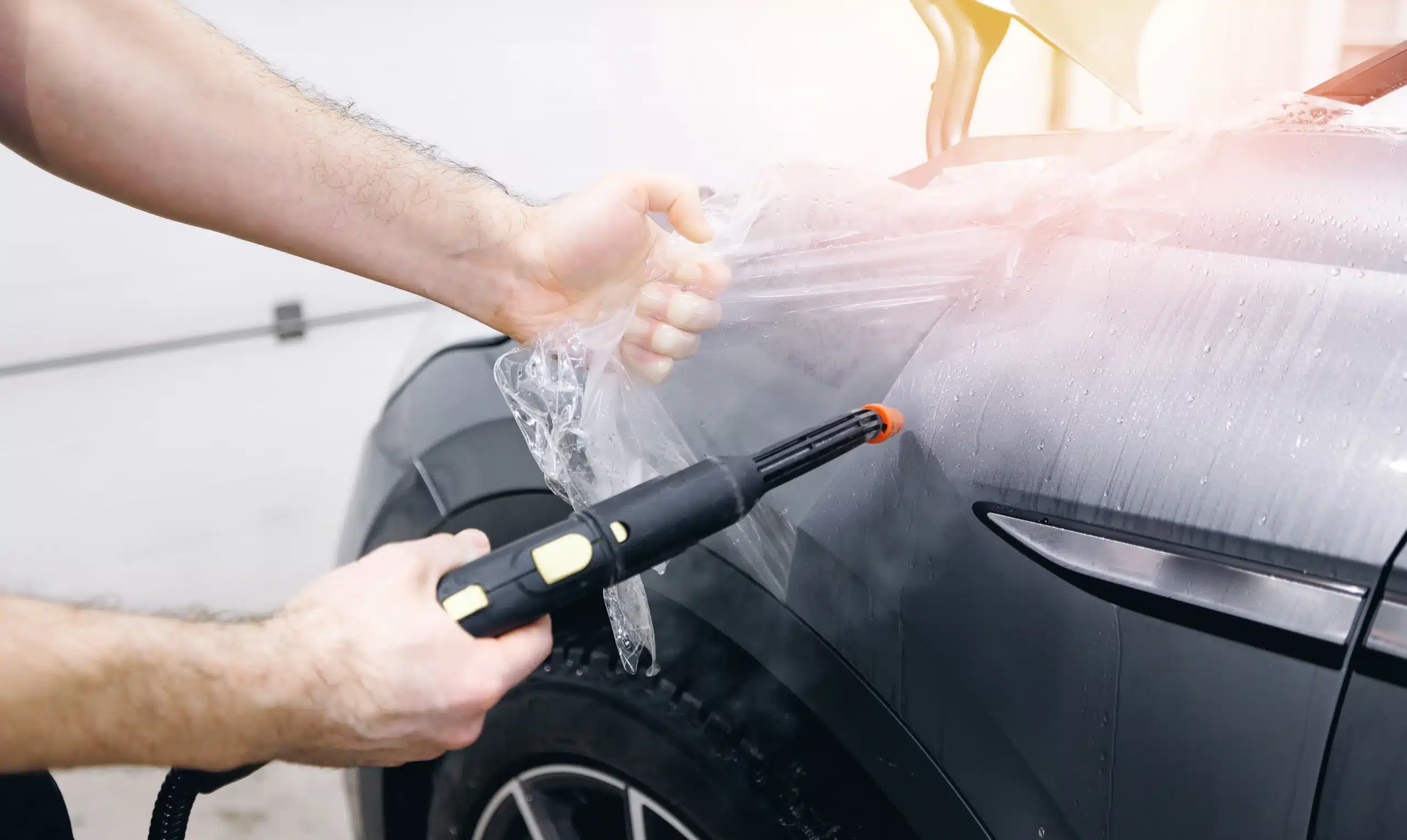
If you want how to remove old cracked ppf from car paint safely, tools matter. Not expensive tools. Correct tools.
Here is the basic kit:
- Steamer or heat gun (a steamer is safer, a heat gun is faster)
- Plastic razor blades or a plastic scraper (never metal)
- Microfibre towels (several, adhesive work eats towels)
- Automotive safe adhesive remover (test on a small area first)
- Isopropyl alcohol mix for final wipe down
- Nitrile gloves (old film edges can be sharp and adhesive is messy)
- Painter’s tape (optional, useful for marking film lines and edges)
- Good lighting (a handheld light helps you see adhesive haze)
The philosophy behind this kit is the same reason precision cleaning methods exist. You want controlled removal. You do not want brute force. If you have ever seen how a dry ice detailing approach lifts contamination without grinding the surface, you already understand what you are aiming for here. Targeted force, minimal collateral damage.
How to Remove Cracked PPF Without Making It Worse
When people look up how to remove cracked ppf, the first instinct is usually to peel. That instinct is understandable. It is also where most DIY removals go off the rails.
Cracked film behaves like a potato chip. It can snap into shards. It can delaminate, meaning the top film lifts while the adhesive layer stays glued to the paint. It can also pull unevenly over curves and edges, which increases the chance of leaving behind a sticky outline that takes hours to remove.
Before you start cracked ppf removal, do a quick assessment:
Check how the film fails. Is ppf cracking all over the panel, or only on high heat areas like the hood edge, bumper corners, and mirrors? Widespread cracking usually means age and UV exposure. Localized cracking can point to stress points, edge tension, or an earlier install issue.
Check if the panel was repainted. If a panel was resprayed, the clear coat may be more sensitive to aggressive heat or scraping. You can still do how to remove old cracked ppf, but you need to move slower and treat the adhesive like it is glued to soft butter, not hardened glass.
Check the edges and seams. Dirt trapped under lifting edges is a warning sign. Those edges tend to tear, and tearing increases adhesive residue. If you see signs of a rushed install or edge contamination, this article on a bad PPF install helps you spot what usually causes the biggest headaches during removal.
How to Remove Cracked PPF Step by Step
This is the practical section. If you are here because you need how to remove cracked ppf today, start with a small panel section first. Do not begin on the largest, flattest part of the hood. Start in a lower risk corner so you learn how the film behaves.
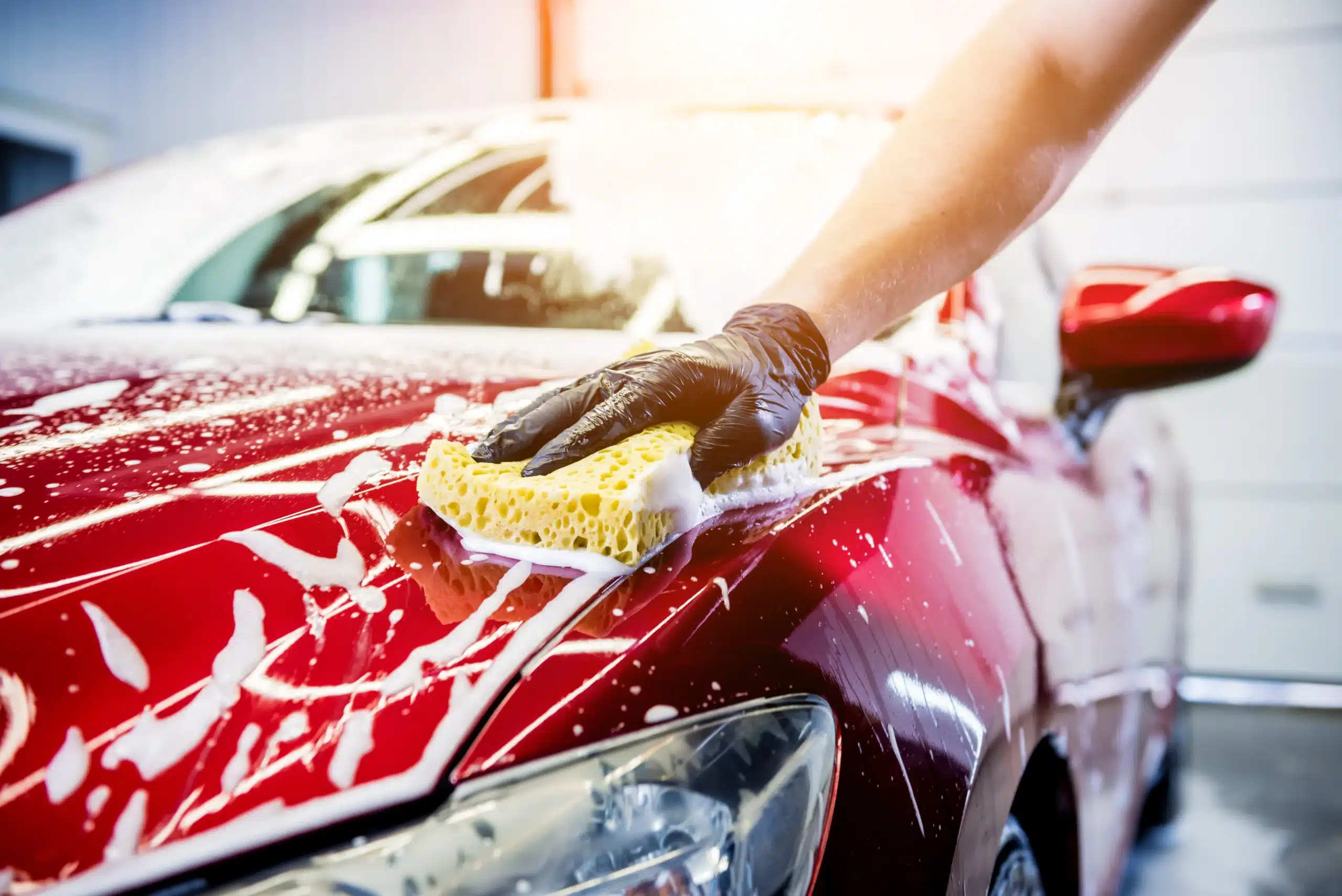
1. Wash the Panel Before Cracked PPF Removal
Yes, even if the film looks terrible. Washing removes grit that can scratch the paint when you start lifting and wiping. It also lets you see where the film ends, where it is lifting, and where the adhesive has started to fail.
Use a gentle wash and rinse thoroughly. Avoid aggressive solvents at this stage. Your goal is clean, not chemically stripped.
2. Warm a Small Section the Size of Your Hand
Heat is the difference between a clean peel and a confetti peel. If you are figuring out how to remove old cracked ppf from car panels, think warm, not hot.
A steamer warms evenly and adds moisture, which can soften adhesive. A heat gun warms faster but can overheat paint if you linger. Keep the heat moving and stay patient. Old film often needs longer warming to become pliable.
3. Start an Edge with a Plastic Tool, Not Fingernails
Use a plastic razor to gently lift a corner. Fingernails encourage yanking and uneven tension. A plastic tool lets you separate film from paint without gouging the clear coat.
If the film shatters immediately, that is normal for cracked ppf. Do not panic. It just means you will work in smaller bites.
4. Peel Low and Slow to Reduce PPF Cracking
This is the core of how to remove cracked ppf. Pull the film back on itself at a low angle, almost parallel to the panel. That low angle reduces stress on the adhesive line.
If you pull up and away like you are opening a bag of chips, you increase the chance of tearing and leaving adhesive behind. Keep heating ahead of your peel line and maintain steady tension.
5. Expect Adhesive Residue During Cracked PPF Removal
If you are dealing with how to remove old cracked ppf, adhesive residue is common. It does not mean you did it wrong. It means the film is old, and the adhesive has had years to bond, harden, and collect contamination.
You may also see a “film line” where the protected paint looks different from the exposed paint. That is not always damage. It can be normal aging and UV exposure differences. It can also be light oxidation on the unprotected area.
6. Remove Adhesive in Passes, Not in a Rage
Apply adhesive remover and let it dwell briefly. Wipe with a microfibre towel. Repeat.
Do not scrub aggressively. Scrubbing turns adhesive into smeared glue, and smeared glue becomes a bigger cleanup problem. Think of it like melting candle wax. The goal is to lift it, not spread it.
If you want a deeper dive on removal techniques, especially for aged film that leaves glue behind, this guide on how to remove old PPF pairs well with cracked PPF removal.
7. Final Wipe Down and Paint Inspection
After adhesive is gone, wipe the panel with an alcohol mix to remove any oily residue from the remover. Then inspect under good lighting.
Look for haze, micro marring, or a “dull patch” where adhesive sat. Those issues are usually correctable with polishing. They are not a reason to panic. They are a reason to plan the next step so the paint looks better, not just bare.
Why PPF Cracking Happens and What It Means for Your Paint
PPF is designed to take abuse so the paint does not have to. But film is still a material. It ages.
Common causes of ppf cracking include:
Age and UV exposure. Sun bakes the film, especially on horizontal surfaces like hoods. Over time, the top layer becomes brittle and micro cracks form.
Heat cycles. Daily heating and cooling expands and contracts the film. On complex curves, that movement can create stress lines.
Chemical exposure. Harsh cleaners, repeated strong solvents, or improper products can contribute to film degradation.
Install quality. If the film was overstretched, contaminated, or cut poorly around edges, it can fail earlier. Cracked ppf is sometimes an “end of life” issue, and sometimes a “this was doomed from day one” issue.
The reason this matters is simple: the more brittle the film, the more careful you need to be with how to remove cracked ppf. Brittle film tears easier. Tearing increases glue. Glue increases the chance of marring paint during cleanup.
How to Remove Cracked PPF on High Value Paint Without Regret
If you are working on a higher value vehicle, the safest DIY approach is still cautious. The goal is not to prove you can peel film. The goal is to avoid paint damage that costs more than professional removal.
This is especially true on platforms with complex shapes, sensitive finishes, or expensive repaint risk. Porsche owners often see film on impact zones, edges, and high curve areas where removal can be more delicate.
If you want to see what a proper PPF plan looks like for Porsche platforms after cracked ppf removal, this page on Porsche PPF is a helpful reference for coverage strategy and long term care.
After You Remove Cracked PPF, What Happens Next
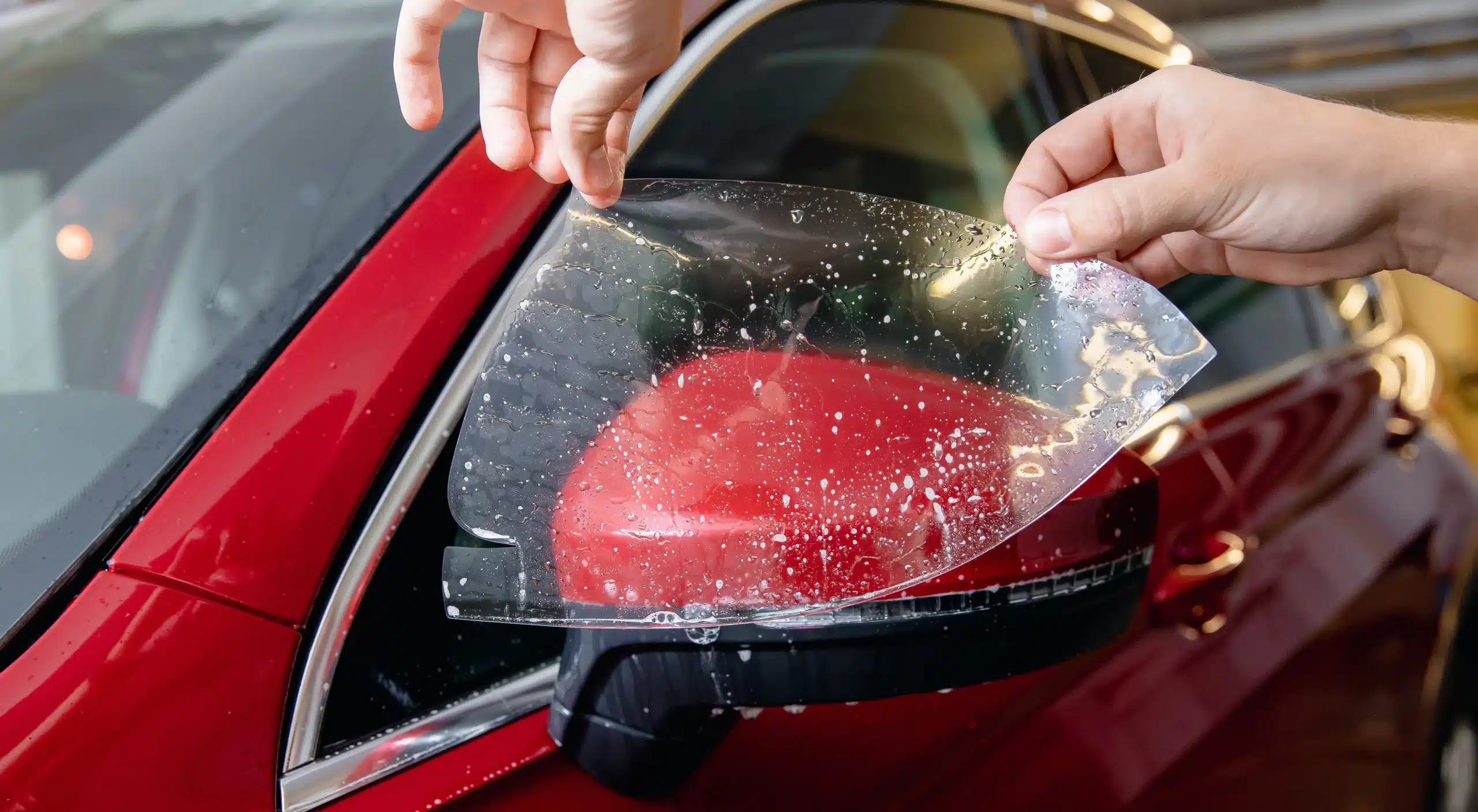
Once you finish how to remove cracked ppf, most owners have the same reaction. Relief first. Then a second thought. The paint might not look “perfect” immediately.
That is normal. The paint has been living under a film layer, while surrounding paint may have been exposed to UV and wash wear. You might see a line. You might see haze from adhesive. You might notice swirls that were already there but are now more obvious because the film is gone.
Here are practical next steps, depending on what you want your car to look like next month, not just tomorrow.
1. Light Polish and Protection for a Clean Reset
A light polish refines the surface and restores clarity. It can remove minor haze and bring the panel back to a consistent gloss. Then you protect the paint so you are not back here again soon.
Protection can be ceramic, film, or both. The right choice depends on how you drive. Highway commuters have different needs than weekend drivers.
2. Reinstall PPF the Right Way After Cracked PPF Removal
If you removed the film because you still want real impact protection, a professional reinstall is usually the cleanest option. It solves the rock chip problem and reduces the “why is my hood peppered” regret later.
To compare coverage options and see what makes sense for your driving, this is the main paint protection film service page in Fremont. It is the logical next step after how to remove old cracked ppf from car paint, especially if you want protection that looks invisible and lasts.
3. Protect More Than Paint, Especially If You Drive the Highway
A lot of owners focus on hood and bumper, then forget that glass takes hits too. If you drive fast roads often, your windshield is a target.
This guide on how to protect windshield from rocks is worth reading because it helps you build a complete protection strategy. It pairs well with the “front end protection” mindset that leads people to search cracked ppf removal in the first place.
Two Mistakes That Ruin How to Remove Cracked PPF
If you want cracked ppf removal to end with clean paint, avoid these two traps.
Overheating the panel. Heat helps film release. Too much heat can soften paint, especially on repainted panels, and it can bake adhesive into a stubborn mess. Keep heat moving. If it feels too hot to comfortably touch near the working edge, it is too hot.
Scraping aggressively. Adhesive residue is frustrating. Scraping hard is how clear coat gets scratched. Use plastic tools, chemical dwell time, and multiple gentle passes. It is slower, but it is safer.
If you are halfway through and it becomes obvious the film is fused, shredding, or leaving heavy adhesive, that is your sign to stop. Knowing how to remove cracked ppf includes knowing when not to keep going.
A Real World Look at Cracked PPF
Cracked film is common enough that owners post about it the moment they notice it. This thread shows what cracked film can look like and the kinds of removal questions people ask once they realize the film is failing: PPF Cracked Discussion.
The takeaway is not “Reddit has the answer.” The takeaway is that ppf cracking shows up in real life, and the removal experience varies wildly based on film age, installer quality, climate, and how the car is stored. That is why this guide focuses on controlled steps rather than shortcuts.
The Takeaway: How to Remove Cracked PPF and Get Back to a Clean Finish
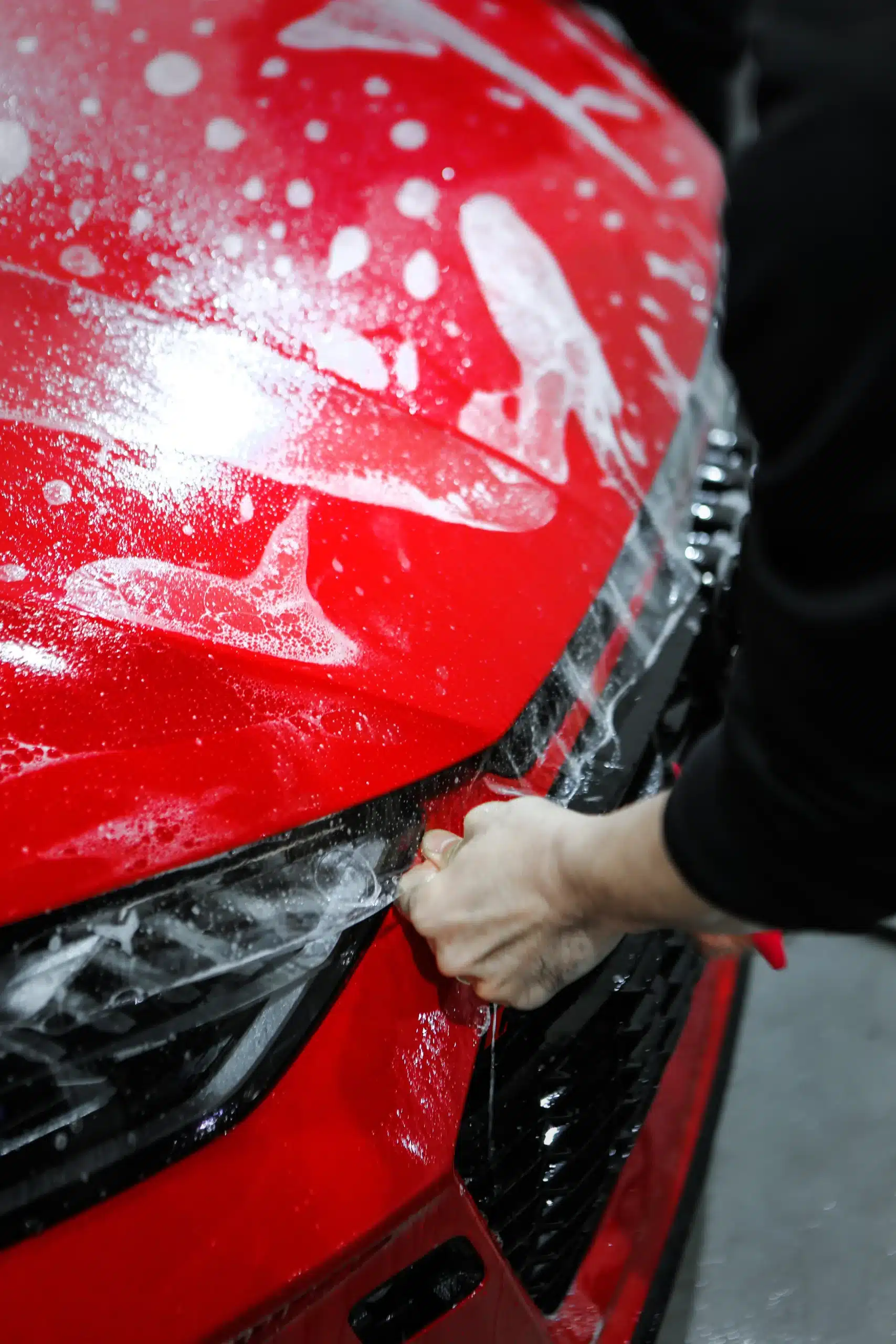
How to remove cracked ppf is not complicated, but it is easy to mess up when the film is old and brittle. The safest path is controlled heat, low angle peeling, and patient adhesive removal. Once the film is off, the real win is what happens next. Paint refinement, a smarter protection plan, and a finish that looks intentional again.
If you want cracked ppf removal handled professionally in Fremont, with a plan for what to do after the film is gone, contact Carzwerk here: Carzwerk Contact Page. ✨
For more guides like this, explore the Luxury Car Detailing Blog and build a protection strategy that matches how you actually drive.
Frequently Asked Questions About How to Remove Cracked PPF
How to Remove Old Cracked PPF From Car Paint Without Damage?
How to remove old cracked ppf from car paint without damage starts with heat control and peel angle. Warm a small section, lift with a plastic tool, and pull the film back low and slow while heating ahead of the peel line. If the film tears, stop and rewarm. Restart from a new edge rather than yanking, because yanking increases adhesive residue and increases the chance of marring paint during cleanup.
What Causes PPF Cracking, and Is Cracked PPF Always a Sign of Bad Film?
PPF cracking can come from age, UV exposure, heat cycles, harsh chemicals, or install stress. Cracked ppf is not always proof the film was “bad.” Sometimes the film simply reached the end of its life. That said, early cracking can also be linked to installation tension, edge contamination, or a film choice that does not match the car’s exposure pattern.
How Long After PPF Can You Drive?
How long after ppf can you drive depends on installer guidance and conditions, but many vehicles can be driven shortly after installation with sensible care. The key is to avoid activities that stress edges before the film settles. That includes aggressive washing, high pressure water near seams, and anything that could catch an edge and lift it.
How Long After PPF Can You Wash?
How long after ppf can you wash varies by film and environment. A safe approach is to wait long enough for the edges and adhesive to stabilize, then start with a gentle hand wash. Avoid pressure washing close to film edges early on. If you notice lifting, address it before washing again, because water and pressure can turn a small edge issue into a bigger cracked ppf removal job later.
Can You Apply PPF After Ceramic Coating?
Can you apply ppf after ceramic coating is sometimes possible, but it can be tricky. Film adhesive generally bonds best to properly prepped paint. A coating can interfere with that bond if it is not removed in the install area. Many owners choose the reverse order: install film first, then coat over the film and exposed paint to make washing easier.
Where Can Someone Book Cracked PPF Removal in Fremont?
For professional cracked ppf removal in Fremont, schedule an appointment with Carzwerk.
Disclaimer
This article is for general informational purposes only and does not replace professional inspection or advice. Vehicle paint systems, resprays, film types, and adhesives vary. If you are unsure about your paint condition or the safest approach, consult a qualified professional before attempting removal.