Fresh PPF looks unreal in the best way. The paint gets that “new car” depth, the reflections sharpen, and suddenly every parking lot feels a little less stressful. The big question is simple though: how long after PPF can you wash without messing up the install?
In Fremont, that answer matters because daily driving is real life. Freeways, dust, surprise drizzle, bug splatter, and that one bird that always seems to have perfect timing. This guide explains how long after PPF you can wash, what to avoid in the first few days, and how to keep the film looking clean without creating edge lift, haze, or trapped grime.
Carzwerk’s approach is aftercare that’s practical. It’s written for people who drive, not people who keep a car under a museum dome. To learn more about the shop and what they protect, start at the Carzwerk homepage.
If the goal is long-term clarity and fewer headaches, a proper install matters as much as the first wash. For options and coverage, explore what’s included on Carzwerk’s paint protection film page.
Ready to book PPF, inspection, or aftercare help? Schedule directly through Carzwerk’s contact page 😄
How Long After PPF Can You Wash Without Risking the Film?
For most vehicles, the safe baseline answer to how long after PPF can you wash is at least 72 hours. That window gives the adhesive time to stabilize so the film is less vulnerable to pressure, heat, and water being driven toward edges.
This isn’t a random internet number. In the 3M Paint Protection Film installation guideline, the maintenance section recommends waiting at least 72 hours before washing after application.
That’s the “don’t gamble” minimum. After that, the best first wash is gentle and controlled, not an aggressive blast that tries to peel the film like a sticker.
PPF Curing Time in Real Life: What’s Happening Under the Film?
People say “curing” and it sounds like a chemistry class. In real terms, PPF curing time is the film’s adhesive settling and bonding evenly across the surface. During the first few days, edges are the most sensitive area because they’re the natural boundary where water and air try to sneak in.
This is why how long after PPF you can wash isn’t only about the calendar. It’s also about conditions.
A few factors that can make the first week feel different:
- Temperature swings from morning fog to midday sun
- Parking outside vs. garaged
- How complex the coverage is (wrapped edges, tight curves, deep recesses)
- How much highway driving happens early on
Driving timing affects washing timing too. If the vehicle needs guidance on when it’s safe to hit the road after install, Carzwerk also breaks that down in this driving-after-PPF guide.
The First Wash Plan: A Safe Way to Wash a Car After PPF
When the 72-hour mark passes, most owners want the easiest version of clean. That’s fair. The trick is choosing “easy” that doesn’t punish the film.
Here’s a simple first-wash plan that keeps how long after PPF can you wash from becoming “why is this corner lifting.”
1. Hand Wash After PPF With Low Drama
A hand wash after PPF is the safest first option because it gives control over pressure, angles, and contact.
Practical setup:
- Rinse first to float off grit
- Use a clean microfiber mitt
- Use a mild automotive shampoo
- Wash top-down, then rinse thoroughly
- Dry with clean microfiber towels instead of air-drying
This first wash is less about perfection and more about not forcing water toward edges.
2. Touchless Car Wash After PPF: When Convenience Wins
A touchless car wash after PPF is usually safer than brush tunnels because brushes can catch edges and dull the film’s topcoat over time. The key is waiting until the minimum window is met, and avoiding “extra aggressive” options like undercarriage blasts aimed upward along panels.
If touchless is the only choice, it’s still smart to do a quick walk-around after and check corners and seams.
3. Pressure Washer After PPF: Only If You Know the Rules
A pressure washer after PPF can be fine, but it’s the easiest way to create problems if the nozzle gets too close or hits an edge at a bad angle. High pressure can push water under the film and encourage lifting, especially early on.
If pressure washing is used:
- Keep a generous distance
- Avoid aiming directly at edges
- Don’t “chase” dirt by blasting seams
- Keep water temperature reasonable
If that sounds like too many rules for a Saturday, that’s the point. Gentle methods reduce risk.
Signs You’re Washing PPF Too Soon

If you don’t wait long enough after PPF to wash, the film usually tells on you quickly.
Common early warnings:
- Corners start to look slightly raised
- Small areas look cloudy because moisture got trapped
- Edges collect grime faster than the rest of the panel
- The film looks fine until it dries, then the border line looks dirty
These are often fixable if addressed early. Waiting the proper time is still easier than correcting a preventable issue.
PPF Edges Lifting: What to Do If You Notice It
PPF edges lifting is one of the biggest reasons people regret rushing the first wash. The good news is that mild edge lift doesn’t automatically mean the install is ruined. It means the edge needs attention before dirt locks it in place.
If lifting is seen:
- Avoid washing again until it’s assessed
- Don’t press it down with random adhesives
- Keep it clean and dry
- Get a professional inspection
To understand what “normal settling” looks like versus a real problem, Carzwerk has a helpful breakdown of what happens with a bad PPF installation. That page is especially useful for spotting issues early, before grime and water turn a small edge into a bigger repair.
How Long After PPF Can You Wash on High-End Cars Like Porsche?
For performance cars and luxury finishes, the stakes feel higher because everything is more visible. Dark paint shows water spotting. Curves create more edge zones. Owners want the car clean because it looks incredible clean.
The answer doesn’t change though. How long after PPF can you wash still starts at the same safe baseline, then relies on technique.
For Porsche owners who want coverage ideas and common protection zones, Carzwerk has a dedicated page on Porsche PPF options. It’s a good reference for which areas usually take the beating first, and which parts are easiest to accidentally attack with a pressure washer.
PPF Maintenance Tips That Keep It Looking Crisp for Years
After the first week, ownership gets easier. The film is designed for real-world use, but a few PPF maintenance tips keep it looking glossy and clean instead of tired.
Smart habits:
- Wash more often, but wash gently
- Don’t let bug splatter bake for days
- Avoid harsh chemicals and abrasive tools
- Use clean microfiber every time
- Check edges occasionally, especially after long drives
If a vehicle is protected properly, maintenance becomes quick. It’s the difference between “cleaning” and “correcting.”
Don’t Forget the Glass: Windshield Protection Matters Too
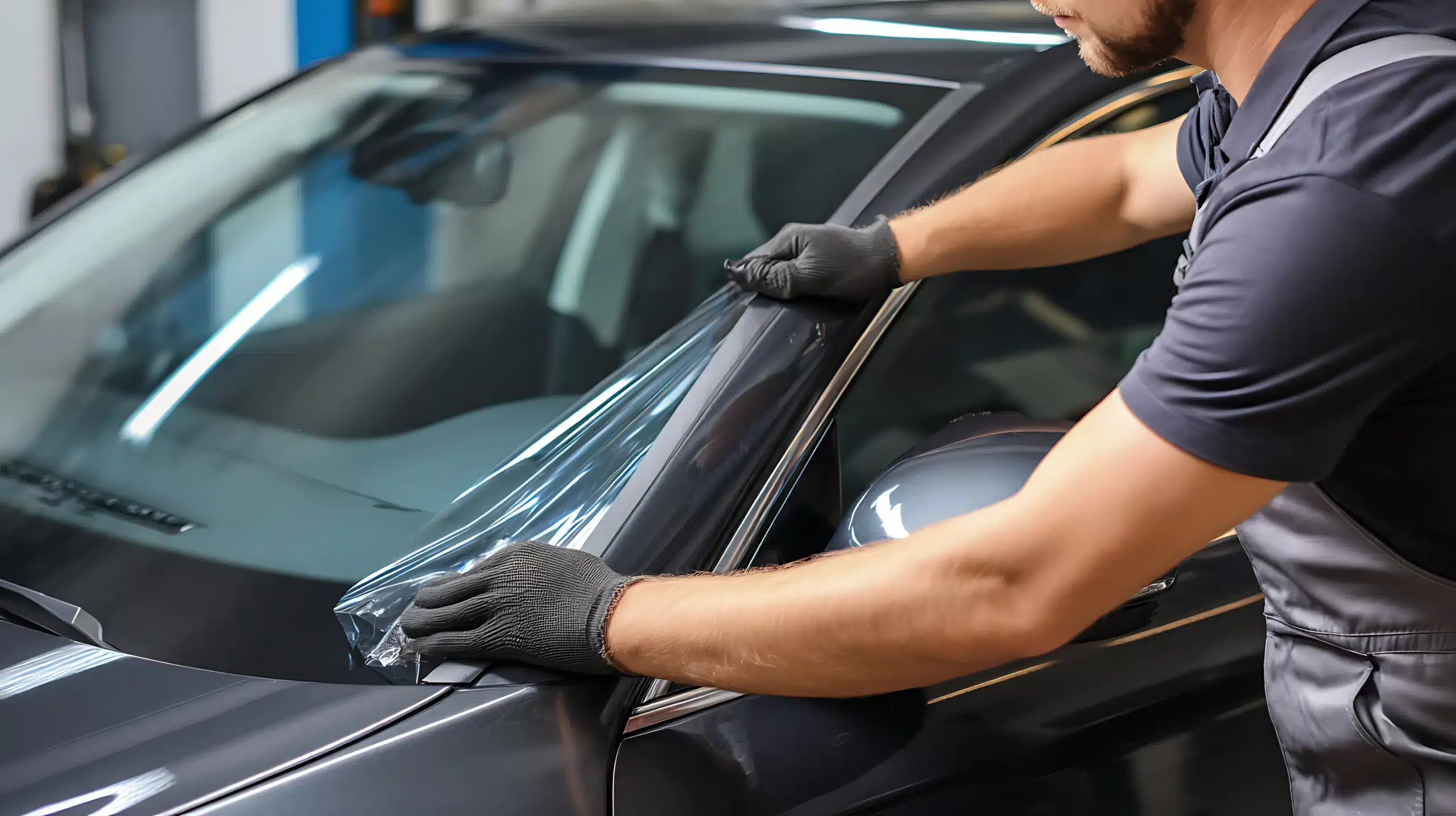
A lot of people baby the paint and ignore the windshield, then get humbled by one freeway pebble. If the vehicle does frequent highway driving, protecting the glass is part of the same “keep the car looking new” mindset.
Carzwerk offers dedicated windshield protection film for drivers who want fewer chips and less anxiety in heavy traffic.
For drivers who want prevention tactics right now, these guides are practical:
They pair well with PPF ownership because they solve the other half of the “front end takes damage” problem.
What If the PPF Is Old, Yellowed, or Cracking?
Sometimes the wash question shows up late. The car already has film on it, and washing makes the flaws obvious. Old film can discolor, harden, and crack. At that point, aggressive washing can make it worse.
If removal is needed, Carzwerk has step-by-step resources that explain what to expect:
Those pages are worth reading before anyone starts peeling film in a driveway like it’s a phone screen protector. The risk is paint damage, adhesive mess, and hours of regret.
More Aftercare Guides for PPF, Detailing, and Protection
If this topic feels oddly calming, that’s because car care is basically controlled order in a chaotic world. For more practical guides like this, browse Carzwerk’s luxury car detailing blog. It’s a solid way to learn what matters, what’s hype, and what’s actually worth doing.
How Long After PPF Can You Wash: Next Steps With Carzwerk
So how long after PPF can you wash? The clean answer is simple: wait at least 72 hours, then choose a gentle first wash method, and treat edges like the “do not bend” corners of a valuable package.
For anyone who wants the film to stay invisible and glossy, the right support makes it easier. That might mean a quick aftercare consult, an edge check, or planning the next protection layer. If the vehicle is due for PPF, inspection, or aftercare help, booking is straightforward through Carzwerk’s contact page ✅
Frequently Asked Questions About How Long After PPF Can You Wash
How long after PPF can you wash if it rained the first day?
If rain happens during the early window, it’s usually not the end of the world. The bigger risk comes from forced water pressure, scrubbing, or blasting edges. It’s still best to wait the full baseline window, then do a gentle first wash and check the edges afterward.
What’s the safest way to wash a car after PPF during the first week?
For most owners, the safest way to wash car after PPF is a gentle hand wash with clean microfiber and mild soap. Touchless can be acceptable after the minimum wait, but harsh settings and close-range pressure should be avoided early on.
Does PPF curing time change in hot weather?
Yes, temperature can change how the film behaves in the first few days. Heat can help the adhesive settle, but it can also make contamination stick faster. That’s why PPF curing time should be paired with smart washing technique, not just a date on the calendar.
Is a touchless car wash after PPF better than a brush wash?
A touchless car wash after PPF is generally safer than brush tunnels because brushes can create micro-marring and can catch edges over time. Touchless isn’t perfect, but it usually avoids the most common “edge grabbed” problem.
Can a pressure washer after PPF ruin the film?
A pressure washer after PPF can cause lifting if the nozzle is too close or aimed at edges. High pressure can push water under the film and weaken adhesion, especially early on. If pressure washing is used, distance and angle matter more than people think.
What should be done if PPF edges lifting shows up after washing?
If PPF edges lifting is noticed, stop washing aggressively and avoid trying to glue it down. A quick professional inspection is the best move because dirt can lock under a lifted edge fast.
What are the best PPF aftercare habits once the first wash is done?
Good PPF aftercare is consistent, gentle washing, quick removal of bugs and grime, and occasional edge checks. Clean microfiber and mild soap do more for longevity than any “miracle” chemical.
Where can drivers in Fremont get help with PPF maintenance tips near you?
For local support, inspections, and PPF maintenance tips that match real driving conditions, Carzwerk can help.
Disclaimer: The information provided in this blog post is for informational purposes only. Please verify all details before making any decisions. Product availability, prices, and weights are subject to change. All trademarks are the property of their respective owners. This content is not intended as legal, financial, or medical advice.