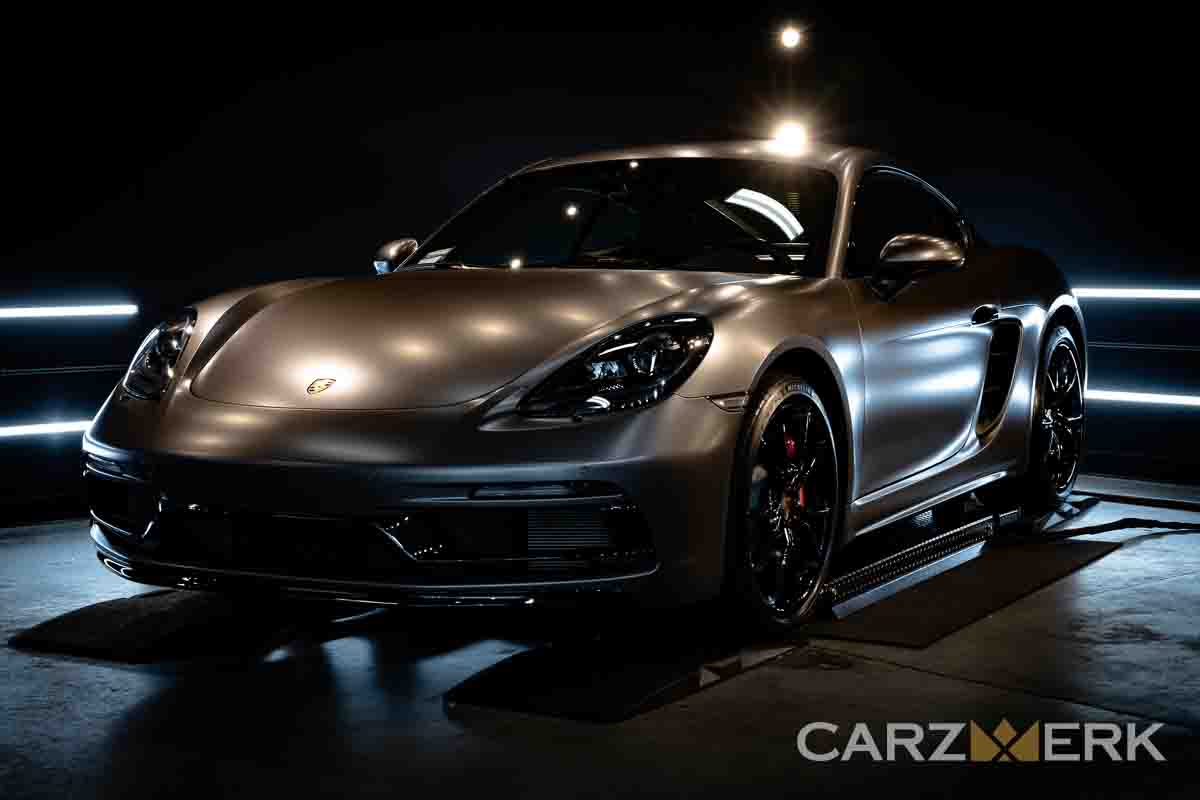
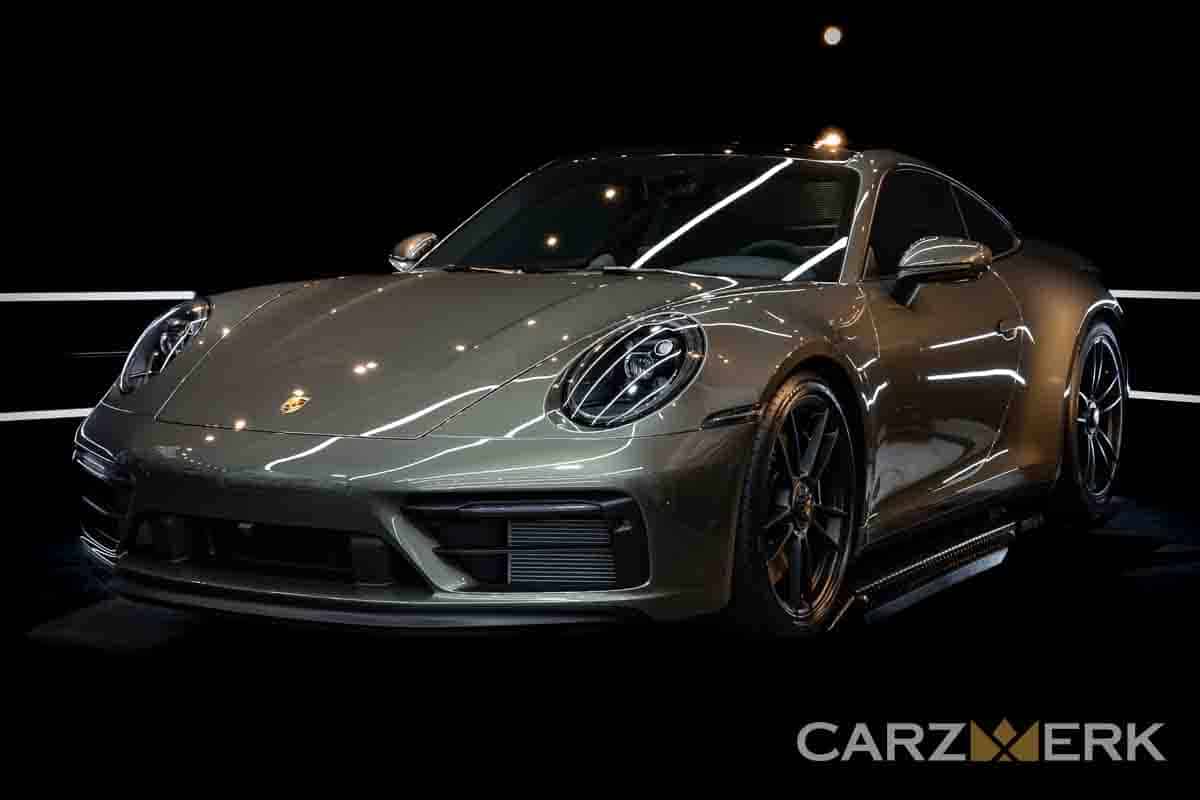
Right after paint protection film goes on, the car looks ready for the world. Under the surface, the film is still settling and the adhesive is still finishing its bond. That’s why the question how long after PPF can you drive matters. It’s not about whether the car can move. It’s about whether the first drive protects the edges, keeps contamination out, and prevents small early issues from becoming expensive fixes.
For Bay Area drivers who want a clean, practical plan, this guide lays out a safe timeline and the “do not do this” list that protects PPF in the first week. For drivers who want a shop to confirm the safest pickup plan for their specific coverage and commute, start with Carzwerk and book a quick consult or follow-up through the Fremont contact page.
How Long After PPF Can You Drive? The Simple Baseline
Most people searching how long after PPF can you drive are trying to plan around real life. Work. School. A bridge commute. A weather window. The safest baseline is this:
If possible, give the vehicle a short indoor set time after installation, then drive gently during the first day and avoid anything that stresses edges.
That also answers the common question can you drive right after PPF. Often, yes, the vehicle can be driven shortly after installation. The smarter interpretation is: avoid high-stress driving conditions immediately, because early airflow, heavy spray, and road grit can challenge fresh edges.
Drivers who want to understand what a professional install typically includes, plus coverage options that match how the car is used, can review Carzwerk’s Fremont service page for paint protection film. Knowing the coverage helps predict how cautious the first day should be.
How Long After PPF Can You Drive? A Safe Timeline That Works in the Real World

This timeline is built to answer how long after PPF can you drive without guesswork. It also helps drivers plan smart driving after paint protection film installation across common Bay Area conditions.
First 0–2 Hours: The Set-and-Settle Window
If a driver can wait, this is the highest value waiting they’ll ever do. The vehicle is best kept indoors and still so the film can begin bonding without airflow, dust, or repeated door slams.
If someone is asking how soon after PPF can you drive, this window is the safest “minimum” mindset. It reduces edge lift risk and helps the film stabilize before it meets wind and debris.
Hours 2–24: Drive, But Protect the Edges Like They’re New
During this period, how long after PPF can you drive becomes less about permission and more about behaviour. Driving is usually fine. Driving through the harshest conditions is what creates avoidable risk.
Best first-day habits for driving after paint protection film installation:
- Choose smoother routes when possible. Avoid construction corridors and gravel shoulders.
- Avoid long freeway runs if you can. Higher speeds increase wind and spray pressure along edges.
- Skip automatic washes and skip any pressure washing.
- If the car gets wet, do not rub edges with a towel. Let it air dry. If needed, dab gently away from edges.
This is also the best time to act like a calm professional if something looks odd. Early “silvering,” mild haze, or small moisture pockets can happen depending on conditions. Picking at corners and trying to “fix it” is how minor settling becomes a real defect.
If a driver wants to know what truly problematic installs look like and what deserves a quick inspection, Carzwerk has a straightforward guide on bad PPF install warning signs.
Days 2–3: Normal Driving Is Usually Fine, Washing Still Needs Patience
By day two, most owners feel confident. That’s good. But washing is where many people create edge issues.
So if the question is still how long after PPF can you drive, the answer at this stage is usually “drive normally,” but keep washing gentle and delayed until the film has had time to cure more fully. That includes being cautious around edges even when washing finally resumes.
How Long to Wait to Drive After PPF Installation When Weather Is Rough
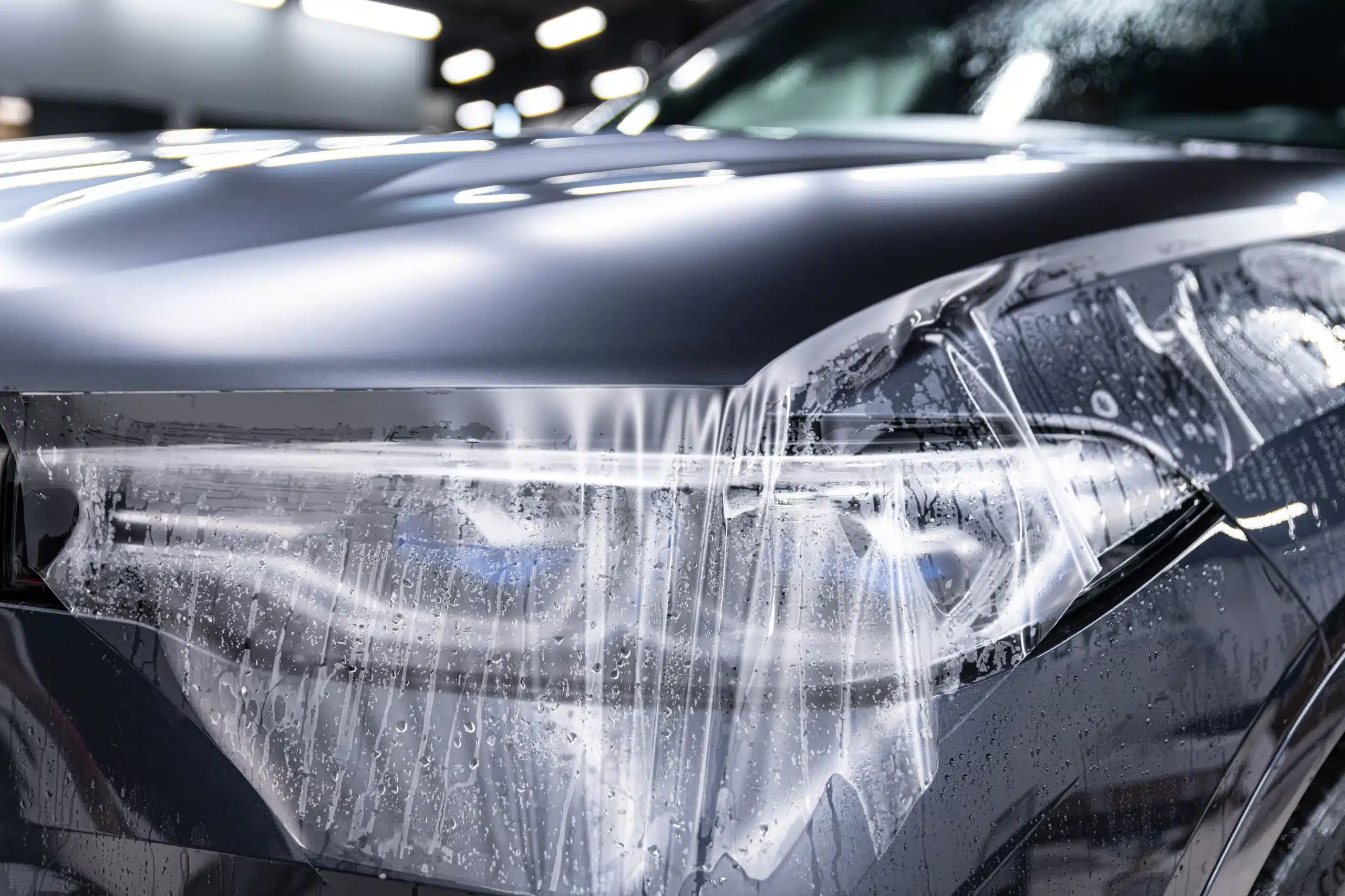
Bay Area weather is not always sunny and predictable. If the forecast is cold, rainy, or windy, the question how long to wait to drive after PPF installation deserves a more conservative answer.
Cold can slow bonding. Rain increases the chance a driver will wipe or rub the film. Wind and freeway spray increase edge stress. In these conditions, a longer indoor set time is a smart trade. Then the first drive should be calm, local, and clean.
If someone asks can you drive right after PPF during rain, it is often possible, but it should be treated like “drive only what’s necessary, avoid highways, avoid puddle spray, and don’t touch the edges after.”
Driving After Paint Protection Film Installation: What Not to Do in the First Week
Many owners don’t ruin PPF by driving. They ruin it by doing the wrong things immediately after driving. If someone is planning driving after paint protection film installation, this first-week checklist protects the film and the finish beneath it.
Avoid High-Pressure Water and Aggressive Washing Early
Even when washing resumes, edges should be treated with care. High-pressure spray aimed at edges is a common cause of lifting, especially early.
Avoid Picking, Lifting, or “Helping” Corners
If something looks off, the right move is an inspection, not fingernails. Edges are either bonding properly or they aren’t. Manipulating them at home usually makes the outcome worse.
Avoid Waxes or Random Products Until the Installer’s Window Passes
This one surprises people. Some products can interfere with the film’s early cure window or create hazing. If the vehicle has a specific aftercare plan, follow it exactly.
For drivers who want to keep learning without getting lost in forums, Carzwerk’s luxury car detailing blog has related guidance on vehicle protection decisions and long-term care.
How Long After Clear Bra Can You Drive If You Have a Freeway Commute?
The phrase “clear bra” gets used interchangeably with PPF, so owners often ask how long after clear bra can you drive as soon as they leave the shop.
If the daily commute includes freeway speed, bridge wind, or heavy spray, the safest approach is to treat the first day like an “edge protection day.” That means:
- Keep the first drive as short and local as possible.
- If freeway is unavoidable, maintain steady speed, increase following distance, and avoid aggressive lane changes through spray.
- Avoid parking under sprinklers or trees that drip sap and debris.
If a driver wants to reduce risk even further, the best move is scheduling pickup so the vehicle can remain indoors longer before the first commute. That’s a simple conversation through the Carzwerk Fremont contact page.
What If the Car Has Fresh Paint or Bodywork?
This is where the question how long after PPF can you drive can accidentally become the wrong question.
If the vehicle has recently been repainted or repaired, the bigger issue is whether the paint was ready for film in the first place. Fresh paint can require additional time to cure and outgas. Installing film too soon can create long-term problems that no “drive timeline” can fix. In that situation, the safest step is to confirm paint readiness and installer guidance before assuming a standard timeline applies.
How to Think About Removal Later
Some owners hesitate because they assume film is permanent. It isn’t. Removal can be done safely with the right technique, but it should be handled correctly to avoid pulling at paint edges or leaving adhesive behind.
For owners who want a grounded overview of removal considerations, Carzwerk’s guide on how to remove old PPF explains what matters and what to avoid.
Cost and Prep: Why the Timeline Starts Before the Film
For many vehicles, the best PPF result comes from proper prep. If the paint has swirls, oxidation, or defects, film locks those in visually. That’s why many owners combine PPF with paint correction first.
If a driver is budgeting and wondering how prep affects outcomes, Carzwerk’s breakdown of paint correction cost helps set expectations and explains why rushing the process can lead to paying twice.
How Long After PPF Can You Drive? Next Steps With Carzwerk
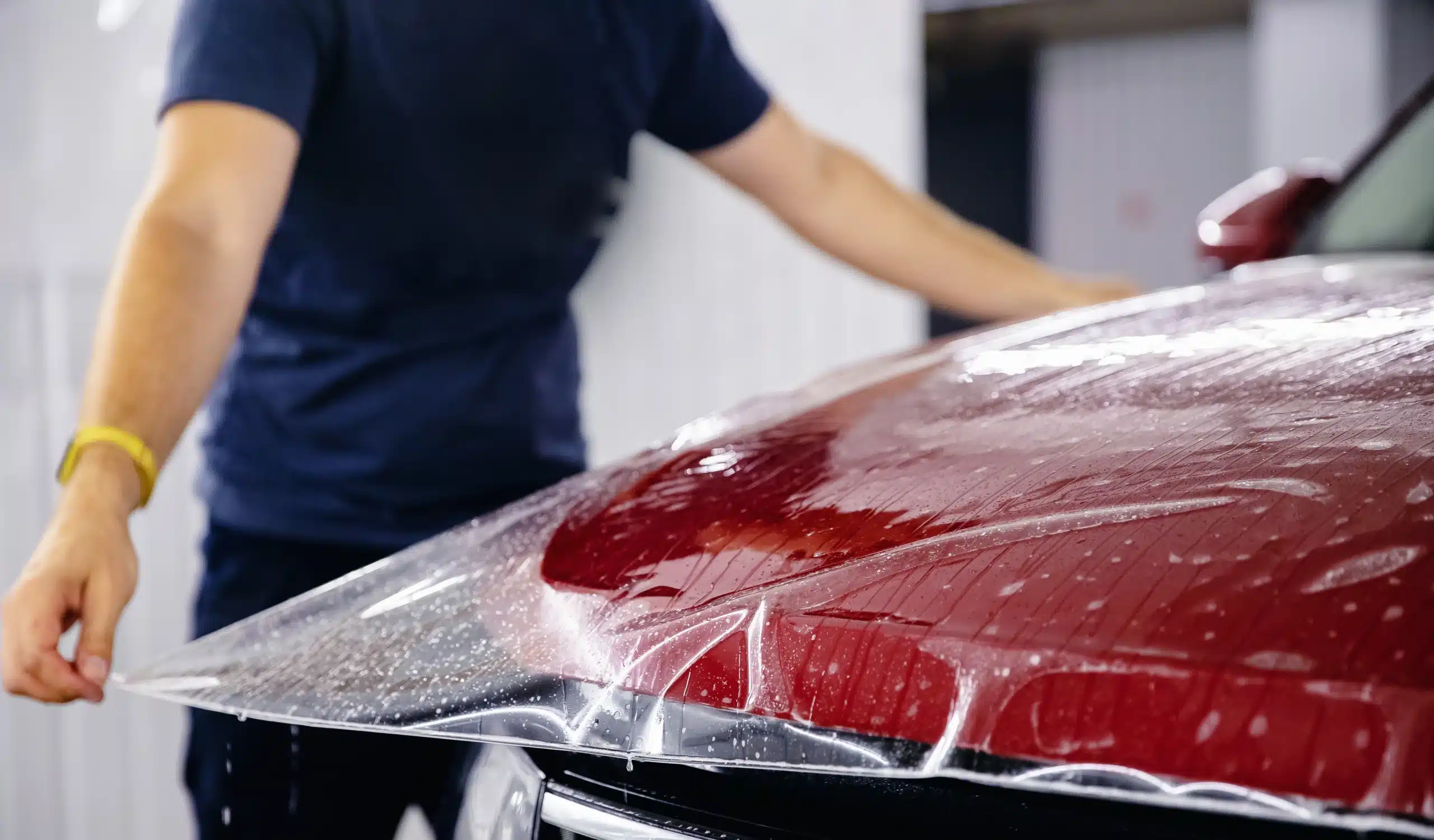
So, how long after PPF can you drive?
A safe approach is a short indoor set time when possible, then gentle driving for the first day, and patience with washing while the film cures. The timeline is simple. The discipline is what makes it work.
For Fremont and Bay Area drivers who want the safest pickup plan for their coverage and commute, book through the Carzwerk contact page. A quick confirmation can prevent the most common first-week mistakes.
Frequently Asked Questions About How Long After PPF Can You Drive
How Soon After PPF Can You Drive If You Need to Leave the Shop Quickly?
For how soon after PPF can you drive, a short indoor set time is ideal, followed by gentle driving and avoiding edge stress during the first day. Many manufacturer-style fitting guides recommend waiting briefly before driving, especially in cold or rainy conditions. One example reference is this fitting guide PDF hosted by VCP.
Can You Drive Right After PPF and Go Straight to the Car Wash?
If someone asks can you drive right after PPF, the safest answer is that driving may be possible soon, but washing is the bigger risk. Automatic washes and high-pressure water can challenge fresh edges. The safest move is to delay washing until the film has had time to cure and then wash gently.
How Long to Wait to Drive After PPF Installation if It’s Raining?
For how long to wait to drive after PPF installation in rainy weather, more patience is better. Rain increases spray and increases the temptation to wipe the film. If driving is unavoidable, avoid freeway speed when possible and do not rub edges after parking.
What Should Driving After Paint Protection Film Installation Avoid on Day One?
Driving after paint protection film installation should avoid high-speed wind blast, heavy spray, gritty construction routes, and anything that forces aggressive wiping or washing. Smooth roads, calm speeds, and a no-wash rule for the first stretch protect the install.
How Long After Clear Bra Can You Drive on the Freeway?
For how long after clear bra can you drive on the freeway, the safest approach is local driving first, then freeway once the film has had more time to settle. If freeway is unavoidable right away, drive steadily, increase following distance, and avoid harsh spray zones.
Where Can Drivers Get PPF Help Near You in Fremont?
For drivers looking for PPF help near you, it helps to work with a shop that explains pickup timing, edge care, and aftercare clearly. For directions and scheduling, the last mention of Carzwerk is here.
Disclaimer: Timelines vary by film type, coverage level, installer technique, paint condition, and weather. For the most accurate guidance, follow the installer’s aftercare instructions and confirm any special constraints for the specific vehicle and coverage.